Ancient orchards provide an ideal habitat for a little known species of beetle, the rather grand sounding Noble Chafer, and if you’re developing in Worcestershire, or neighbouring counties then it’s wise to get to know your Noble Chafer facts!
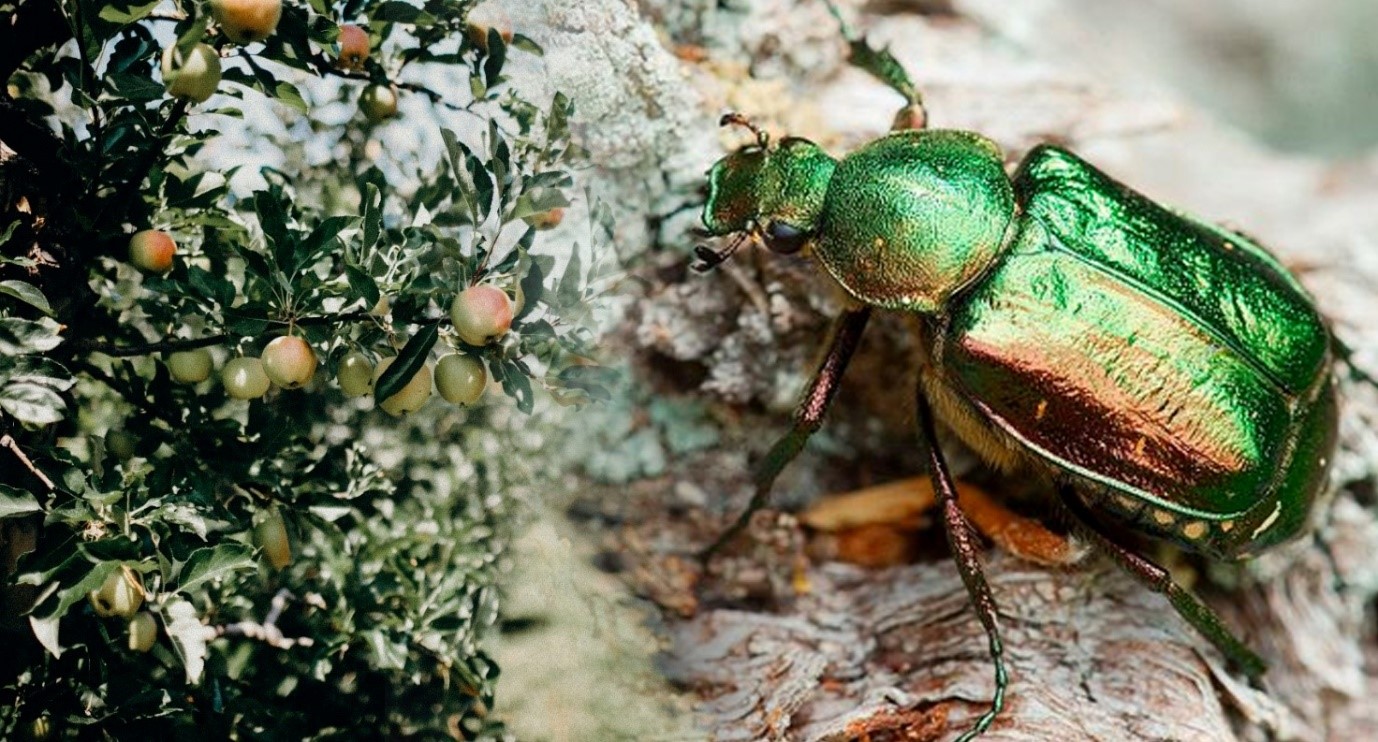
Gnorimus nobilis to give it its formal species name, is a vibrant looking beetle with a striking metallic green body, speckled with white and the whole body displays a brilliant iridescence which can flash copper, gold and even violet when the light strikes it. Adult Noble Chafers are approximately 20mm long. This beetle is on the endangered list and lives a reclusive life in traditional orchards.
Particularly they favour old, decaying wood within live trees, especially cherry, plum and apple, and populate the fruit growing counties of Gloucestershire, Herefordshire and Worcestershire, although there have been records of the species in Oxfordshire and further afield.
This beetle is listed as a UK Biodiversity Action Plan (UK BAP) species and is also part of English Nature’s Species Recovery Programme (SRP) and the Planning Authorities in the areas are giving special attention to their conservation and for example in Wychavon District Council, any Habitat Assessment on suitable sites that fails to survey for Noble Chafer is unlikely to be accepted as complete.
Our team of Ecologists are familiar with this species and experienced with requirements and mitigation available to assist Clients in constructive management of species conservation whilst navigating around any constraint to development that the existence of this species on site might otherwise entail. Drop our team a line and we’re happy to provide some informal advice, all our details here www.reports4planning.co.uk